Introduction
In industrial high-temperature insulation applications, choosing the right thermal insulation material is critical for energy efficiency, equipment protection, worker safety, and long service life.
Among the most commonly used industrial insulation materials are:
- Calcium Silicate Board
- Mineral Wool
- Ceramic Fiber
Each material has different thermal properties, temperature resistance, mechanical strength, and industrial applications.
This article compares calcium silicate insulation board, mineral wool insulation, and ceramic fiber insulation to help engineers, furnace builders, aluminum plants, petrochemical facilities, and industrial buyers select the best insulation solution.
Quick Comparison Table
| PropertyCalcium SilicateMineral WoolCeramic Fiber | |||
| Maximum Temperature | 1000°C – 1100°C | 650°C – 700°C | 1260°C – 1430°C |
| Mechanical Strength | Excellent | Low | Very Low |
| Machinability | Excellent CNC Processing | Poor | Poor |
| Thermal Conductivity | Low | Medium | Very Low |
| Dust Generation | Low | Medium | High |
| Thermal Shock Resistance | Good | Moderate | Excellent |
| Worker Safety | Good | Good | Requires Protection |
| Best Use | Structural Insulation | Building & Pipe Insulation | Ultra High Temperature Furnaces |
What Is Calcium Silicate Insulation?
Calcium silicate board is a rigid high-temperature insulation material manufactured from silica, lime, reinforcing fibers, and special additives through high-pressure steam curing.
It is widely used in:
- Molten aluminum launders
- Furnace backup lining
- Petrochemical insulation
- Steel industry equipment
- Induction furnace insulation
- High-temperature structural insulation
Main Advantages of Calcium Silicate
High Mechanical Strength
Unlike soft insulation materials, calcium silicate board has excellent compressive strength and dimensional stability.
It can support heavy industrial structures and withstand mechanical loading.
Excellent CNC Machining Capability
Calcium silicate boards can be:
- Cut
- Drilled
- Grooved
- Chamfered
- CNC machined into custom shapes
This makes them ideal for:
- Hot-top rings
- Launder insulation parts
- Burner blocks
- Custom furnace insulation components
Low Thermal Conductivity
Calcium silicate provides excellent thermal insulation while maintaining structural rigidity.
Long Service Life
It performs well in continuous industrial environments with low shrinkage and good thermal stability.
What Is Mineral Wool Insulation?
Mineral wool, also known as rock wool or stone wool, is manufactured from molten basalt rock or slag fibers.
It is commonly used for:
- Building insulation
- Pipe insulation
- HVAC systems
- Industrial tanks
- Acoustic insulation
Advantages of Mineral Wool
Cost Effective
Mineral wool is generally lower in cost compared with engineered refractory insulation materials.
Good Fire Resistance
It provides good fire protection for buildings and industrial equipment.
Sound Absorption
Mineral wool has excellent acoustic insulation properties.
Limitations of Mineral Wool
Although mineral wool works well for medium-temperature insulation, it has several limitations in high-temperature industrial applications.
Lower Temperature Resistance
Most mineral wool products are limited to around 650°C to 700°C.
They are not suitable for molten metal contact or ultra-high-temperature furnace zones.
Weak Mechanical Strength
Mineral wool is soft and compressible.
It cannot support structural loads or precision-machined applications.
Poor Machining Performance
Mineral wool cannot be easily CNC machined into industrial custom components.
What Is Ceramic Fiber Insulation?
Ceramic fiber insulation is manufactured from alumina-silica refractory fibers.
It is designed for ultra-high-temperature thermal insulation applications.
Common forms include:
- Ceramic fiber blanket
- Ceramic fiber board
- Ceramic fiber module
- Ceramic fiber paper
Advantages of Ceramic Fiber
Extremely High Temperature Resistance
Ceramic fiber can withstand temperatures from 1260°C to 1430°C depending on grade.
Very Low Thermal Conductivity
It provides excellent insulation performance with minimal heat loss.
Lightweight
Ceramic fiber significantly reduces furnace wall weight.
Excellent Thermal Shock Resistance
It handles rapid heating and cooling cycles very well.
Limitations of Ceramic Fiber
Low Mechanical Strength
Ceramic fiber materials are fragile and easily damaged mechanically.
Dust and Fiber Concerns
Handling ceramic fiber may generate airborne fibers and dust, requiring worker protection.
Difficult CNC Processing
Precision machining is limited compared with calcium silicate board.
Which Material Is Best for Industrial Furnaces?
The answer depends on the application.
Choose Calcium Silicate If You Need:
- Structural insulation
- CNC machined insulation parts
- Molten aluminum applications
- Furnace backup lining
- High compressive strength
- Long service life
Choose Mineral Wool If You Need:
- Building insulation
- Pipe insulation
- Acoustic insulation
- Medium-temperature equipment insulation
- Lower-cost thermal insulation
Choose Ceramic Fiber If You Need:
- Ultra-high-temperature insulation
- Lightweight furnace lining
- Fast thermal cycling resistance
- Energy-efficient furnace hot-face insulation
Calcium Silicate vs Ceramic Fiber in Aluminum Industry
In aluminum melting and transfer systems, calcium silicate is often preferred for:
- Launder covers
- Backup insulation
- Structural insulation sections
- Machined custom components
Ceramic fiber is typically used as:
- Expansion joints
- Lightweight hot-face insulation
- Flexible thermal barriers
Many advanced furnace systems combine both materials to optimize performance.
Can Calcium Silicate Replace Ceramic Fiber?
In some applications, yes.
Calcium silicate can replace ceramic fiber when:
- Mechanical strength is required
- Machined precision parts are needed
- Dust reduction is important
- Structural support is necessary
However, ceramic fiber remains superior for ultra-high-temperature lightweight insulation.

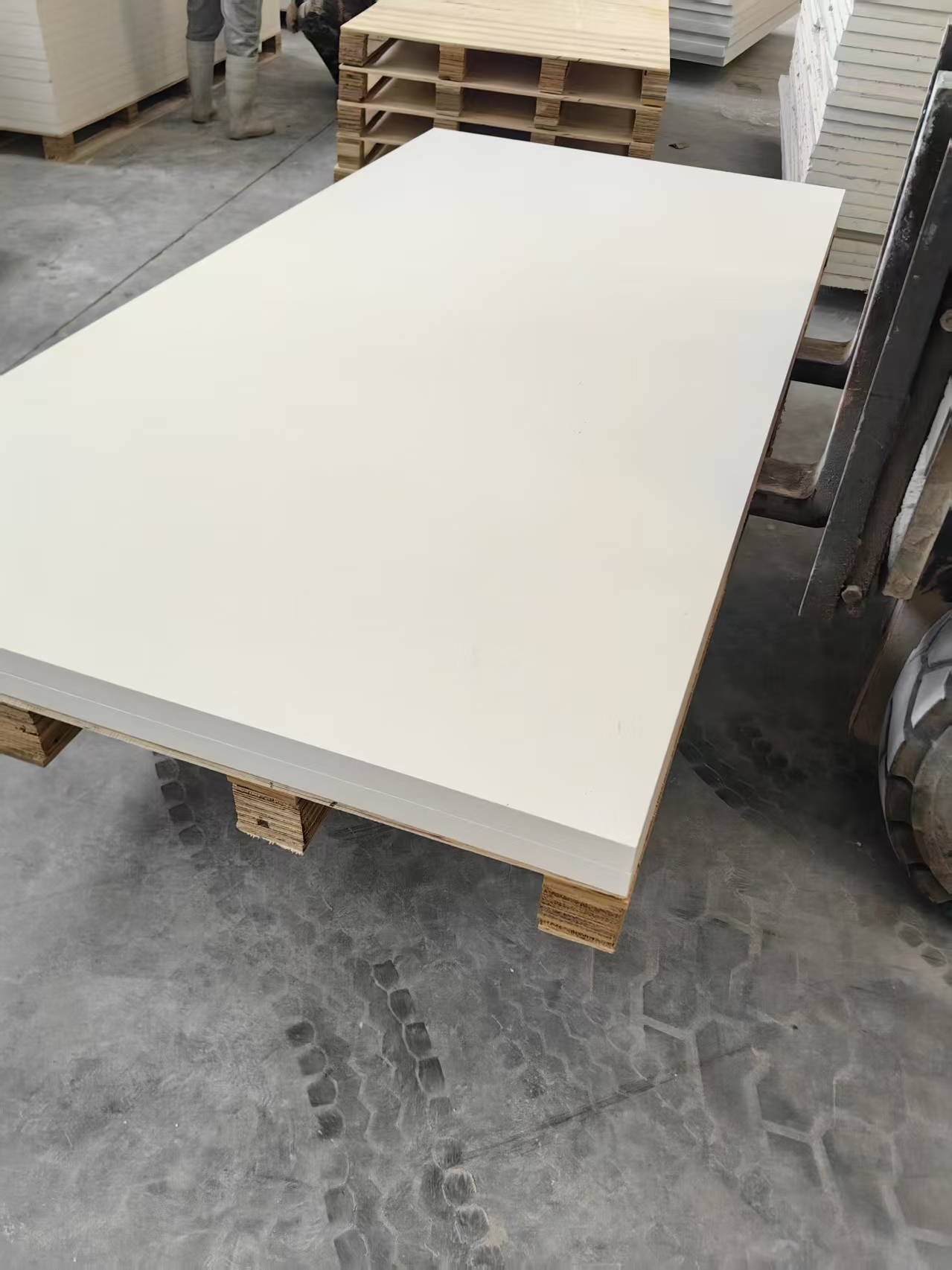
Calcium Siliate Board 1000 deg c,density:250kg/m3

1260 Deg c Ceramic Fiber Board,density:280kg/m3
Conclusion
Calcium silicate, mineral wool, and ceramic fiber each serve different industrial insulation purposes.
For high-strength industrial insulation and CNC-machined refractory components, calcium silicate board is often the preferred solution.
For economical medium-temperature insulation, mineral wool remains widely used.
For ultra-high-temperature lightweight furnace insulation, ceramic fiber continues to be an industry standard.
Understanding the differences between these insulation materials helps engineers and industrial buyers select the most efficient and durable thermal insulation system.
Frequently Asked Questions
Is calcium silicate better than ceramic fiber?
Calcium silicate has better mechanical strength and machinability, while ceramic fiber provides higher temperature resistance and lighter weight.
Is mineral wool suitable for furnaces?
Mineral wool is suitable for medium-temperature industrial insulation but is generally not recommended for direct high-temperature furnace hot-face applications.
Can calcium silicate be CNC machined?
Yes. Calcium silicate board is widely CNC machined into custom industrial insulation parts.
Which insulation material lasts longer?
Calcium silicate generally offers longer service life in structural industrial applications due to its rigidity and durability.
Which insulation material has the best thermal insulation?
Ceramic fiber typically provides the lowest thermal conductivity at ultra-high temperatures.