Isolamento em silicato de cálcio de alta temperatura projetado especificamente para fornos de cimento, ciclones pré-aquecedores, resfriadores de clínquer e dutos de ar quente. Economia de energia, proteção térmica confiável e vida útil estendida.
The cement manufacturing process operates at extremely high temperatures, with the rotary kiln reaching 1450°C during clinker formation. Effective thermal insulation is critical to minimize heat loss, reduce fuel consumption, and protect structural components from heat damage.
HR RHINO calcium silicate boards are specifically engineered as backup insulation for cement industry applications, working behind the primary refractory lining to maintain external shell temperatures within safe operating limits.
Based on xonotlite (6CaO·6SiO₂·H₂O), our products offer a unique combination of low thermal conductivity, high mechanical strength, excellent dimensional stability, and long-term durability at sustained high temperatures — making them the preferred choice for modern cement plants worldwide.
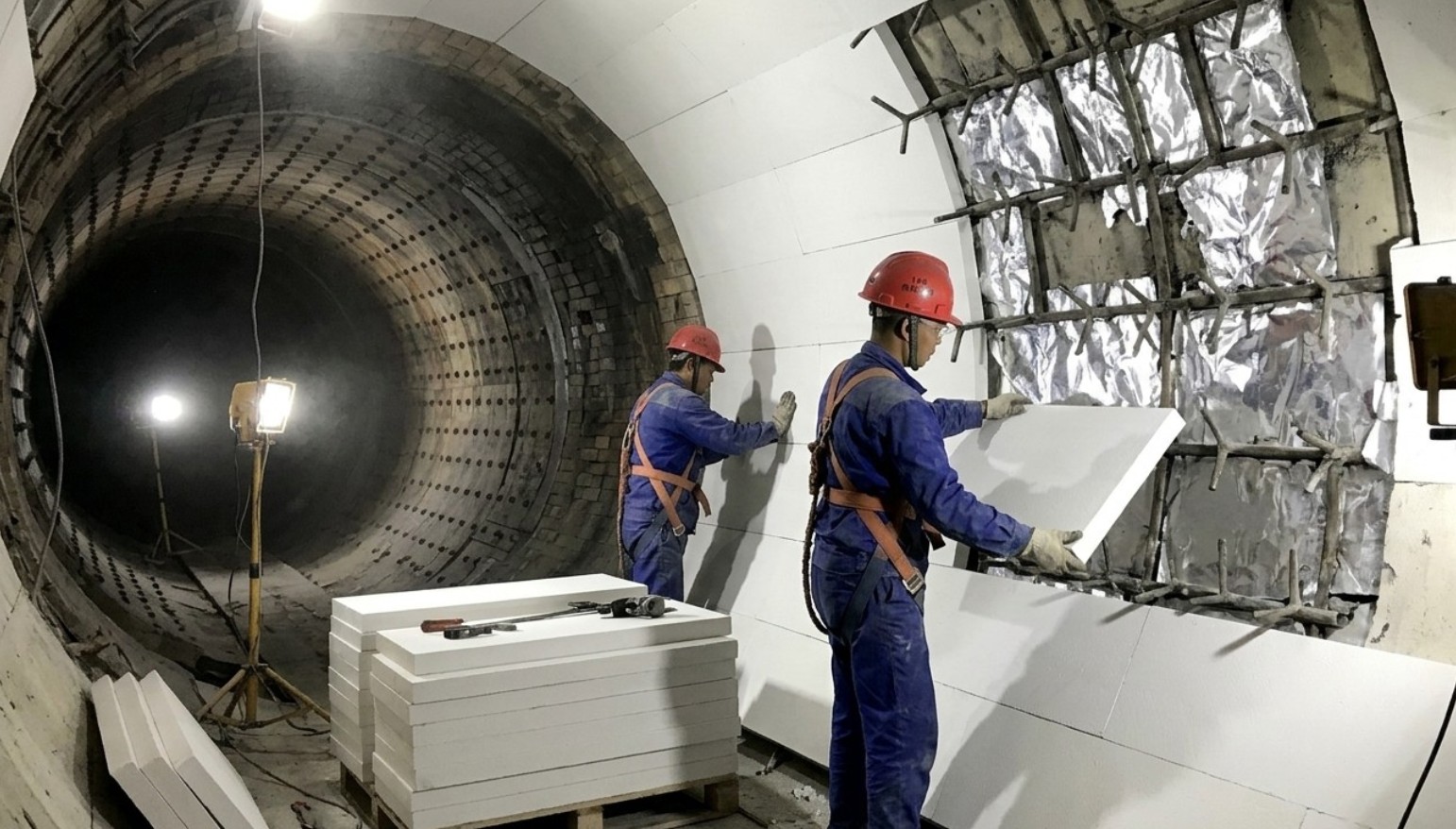
Seis áreas críticas no processo de produção de cimento onde as placas HR RHINO oferecem desempenho térmico excepcional.
Installed behind refractory bricks in the rotary kiln shell to reduce heat loss, minimize thermal stress on the steel shell, and improve overall kiln energy efficiency. Maintains dimensional stability under continuous thermal cycling.
Preheater cyclones operate at 900-1000°C with continuous gas flow. Calcium silicate insulation blocks and boards are ideal for cyclone walls, cone sections, and riser ducts to minimize heat loss and protect structural steel.
The calciner operates at 850-950°C where partial decomposition of raw meal occurs. Our insulation boards provide reliable thermal protection while maintaining structural integrity under abrasive flue gas conditions.
Grate coolers and clinker cooler walls require insulation that can withstand moderate temperatures (400-800°C) with good mechanical strength. Calcium silicate boards deliver reliable long-term performance.
Insulation for tertiary air ducts, flue gas pipes, and exhaust gas channels throughout the cement plant. Low thermal conductivity reduces heat loss during gas transport between process stages.
The kiln hood and burner areas experience extreme temperatures and thermal shock. Our high-density grades offer the structural strength and thermal stability needed for these demanding applications.
Desempenho comprovado em ambientes da indústria de cimento mundialmente.
Low thermal conductivity (≤0.058+0.00011t W/m·K) significantly reduces heat loss, lowering fuel consumption and CO₂ emissions.
Excellent dimensional stability with <1.5% shrinkage at 1000°C. Maintains performance over years of continuous operation.
Protects kiln shell and steel structures from thermal stress and deformation, extending equipment service life.
100% non-asbestos, non-toxic, contains no sulfur or chlorine. Safe for workers and complies with international standards.
Leve, easily cut and shaped with standard tools. Available in boards and block formats for versatile installation.
If exposed to moisture, thermal performance fully recovers after drying with no permanent loss of strength.
Our flagship product specifically engineered for cement industry applications. Standard block dimensions (300×150×50mm) allow fast installation in cement kiln linings and preheater systems.
Based on xonotlite with superior temperature resistance, these blocks deliver reliable thermal insulation at sustained high temperatures while maintaining structural integrity.
Ver Detalhes do Produto →Complete product lineup for different cement plant applications and temperature requirements.
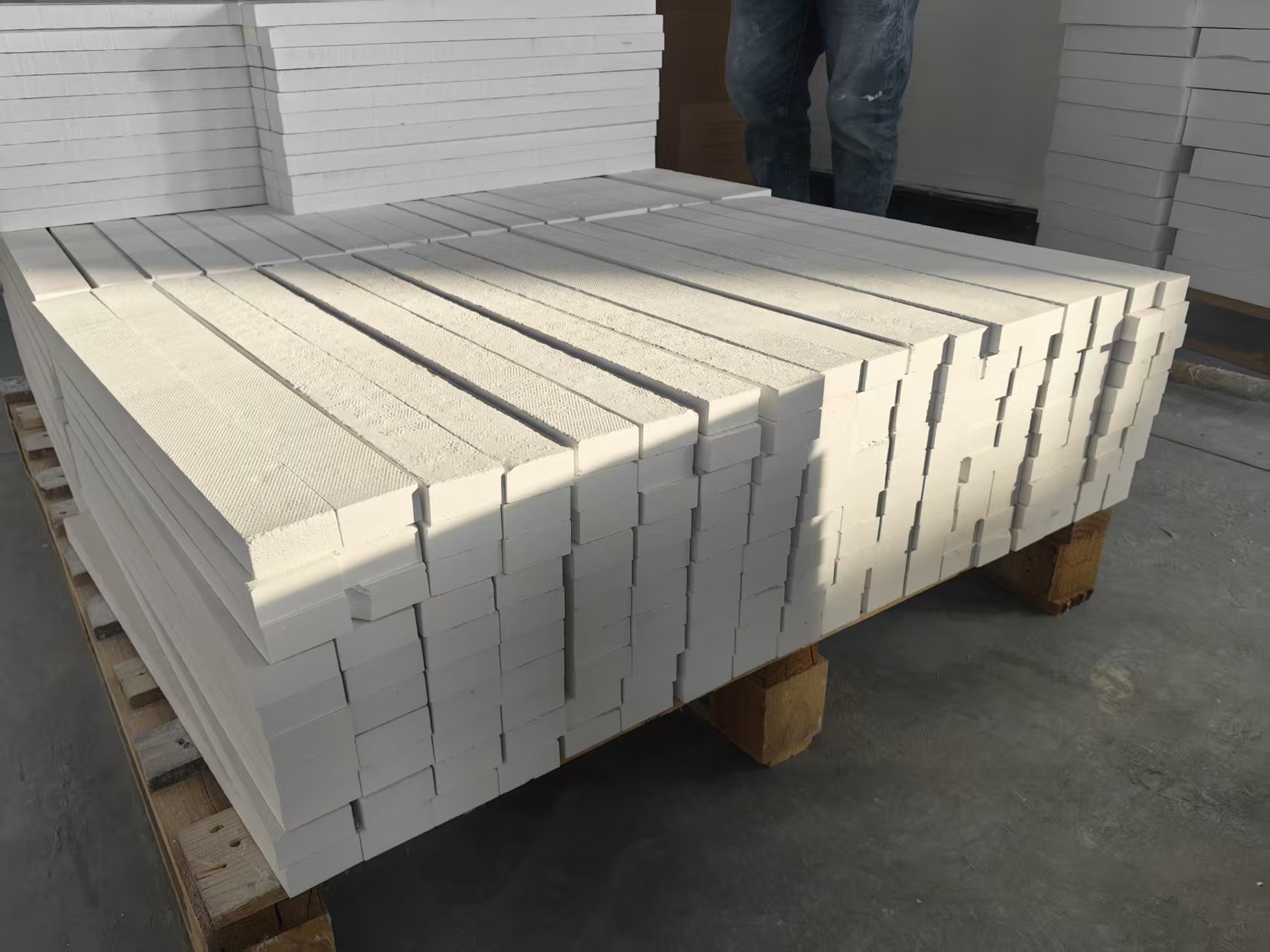
Dedicated cement industry blocks. Standard 300×150×50mm, 1000°C long-term service.
Ver Detalhes →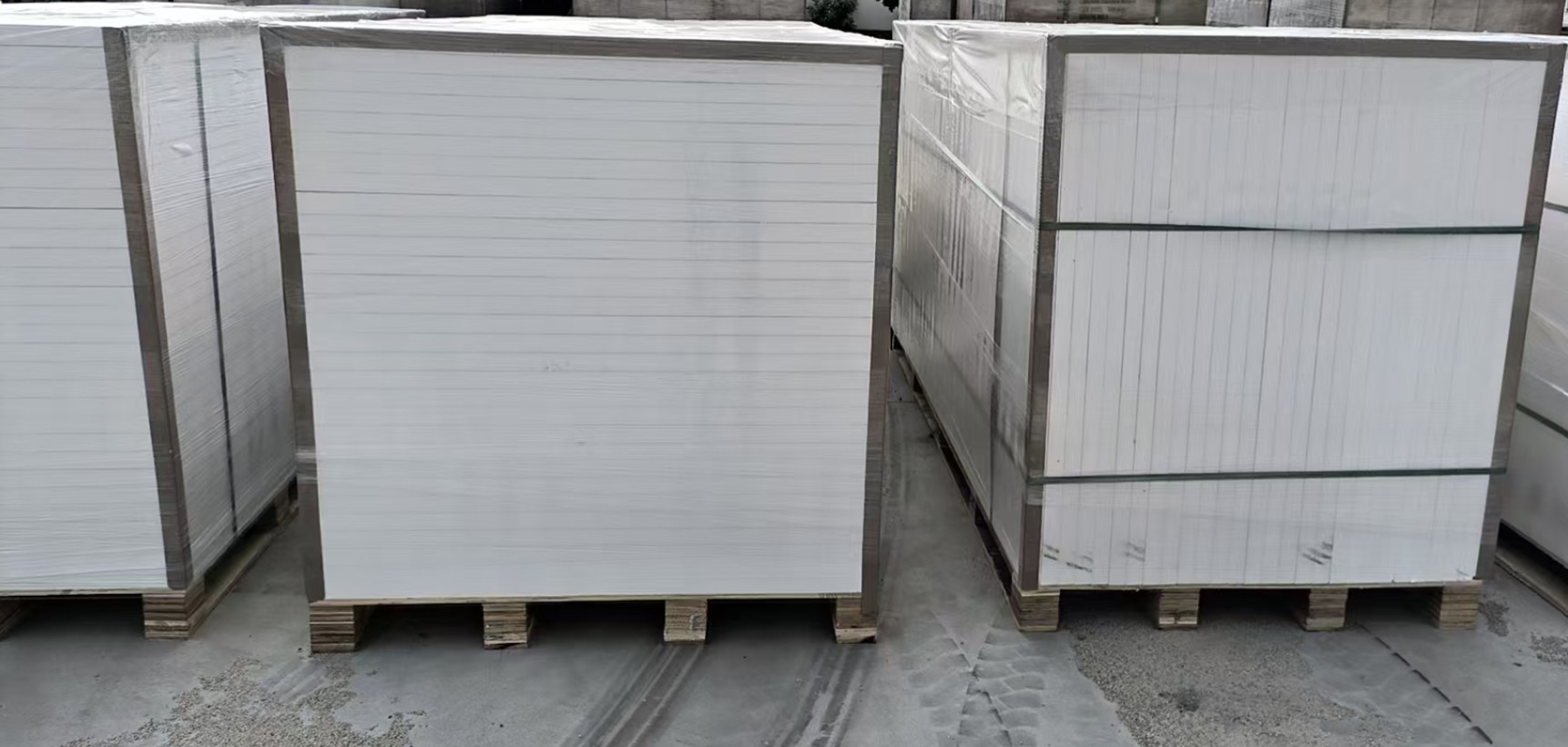
High strength for burner/kiln hood. Compressive ≥5MPa, max 1100°C.
Ver Detalhes →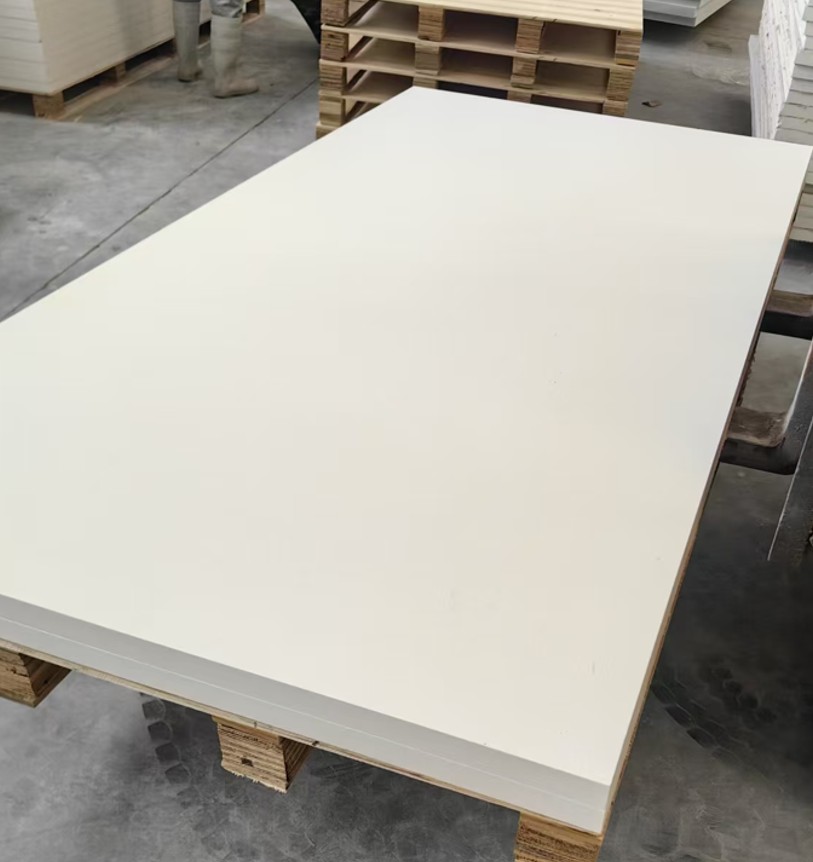
Ideal para calciner and clinker cooler. Compressive ≥4MPa, max 1100°C.
Ver Detalhes →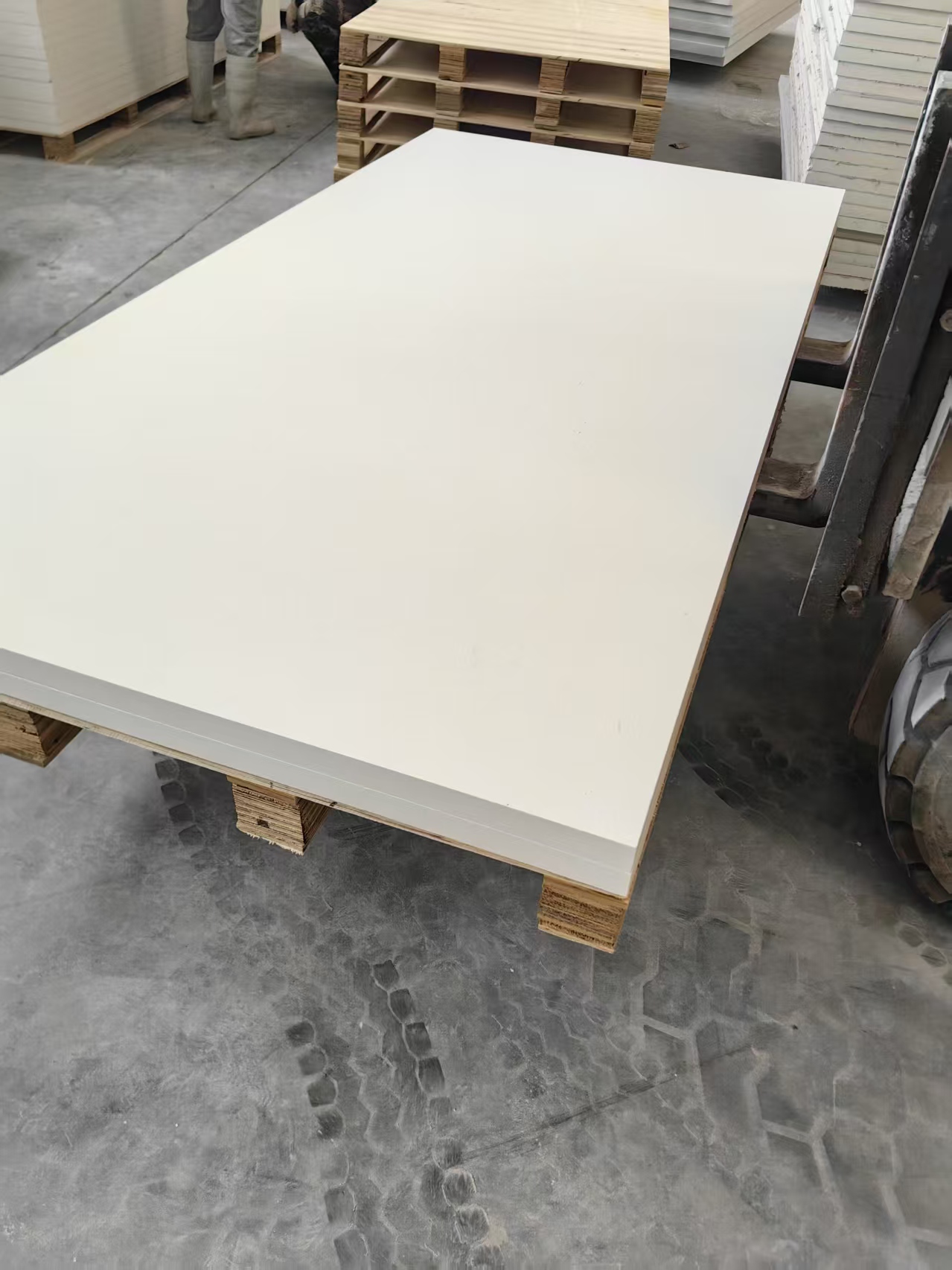
For preheater cyclones and hot gas ducts. Max service 1100°C.
Ver Detalhes →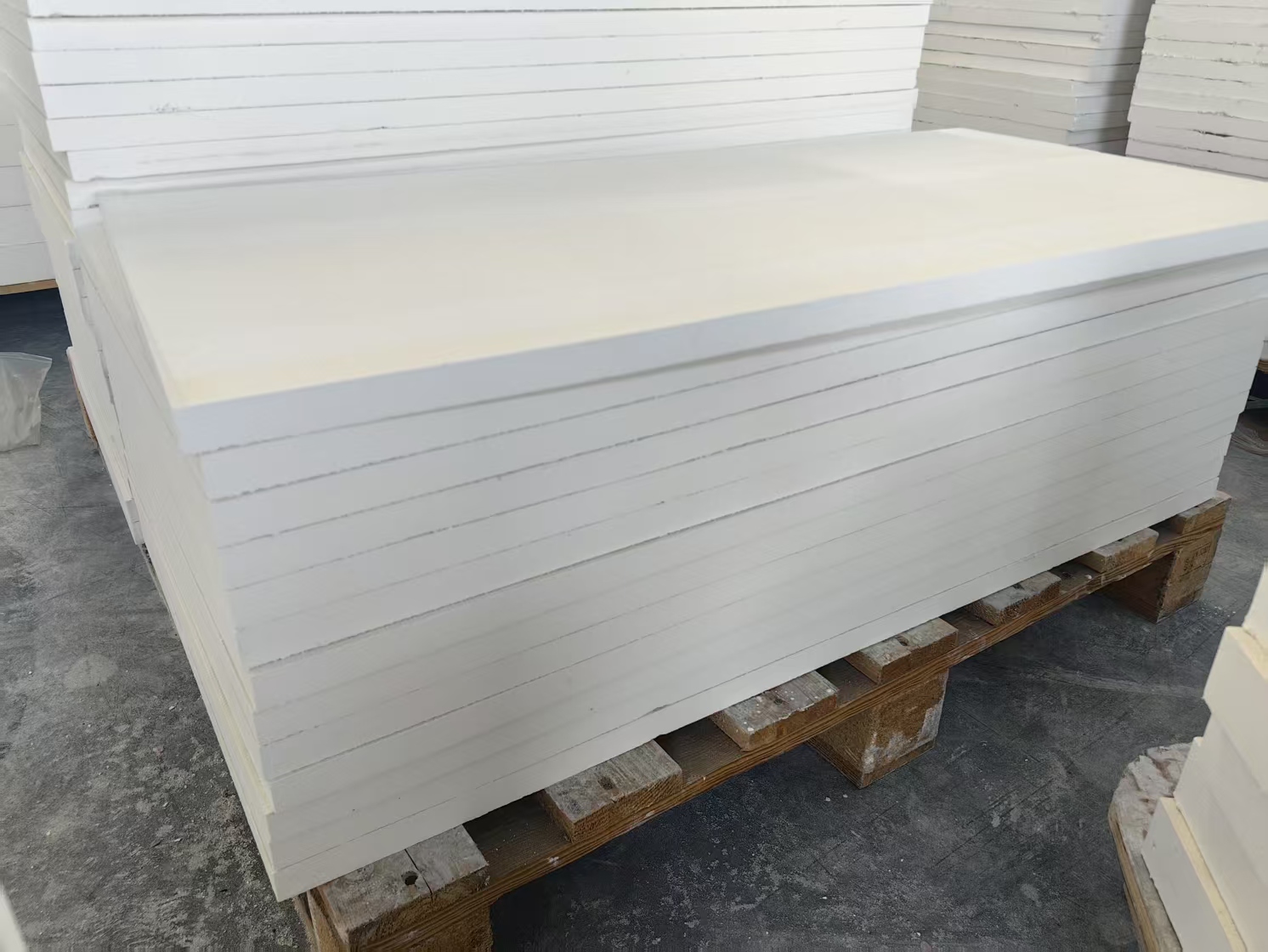
Balanced insulation performance for moderate temperature zones.
Ver Detalhes →
Leve option for ducts and low-stress insulation applications.
Ver Detalhes →